


Learn more about how the Living Labs work to improve soil health.
AREFLH is a partner on the WASTE4SOIL project “Turning food waste into sustainable soil improvers for better soil health and improved food system”. It aims at developing applicable recycling technical pathways to transform Food Processing Residues (FPR) into improvers, through a circular, system, and multi-actor approach. All food chain actors are involved at the regional level, thereby closing specific loops (nutrients, organic matter, water).
In this article we are presenting two of the seven Living Labs established under the Waste4Soil project: the ones in Hungary and Slovenia.
Hungary
The Hungarian Living Lab is situated in Hungary’s Central Transdanubian region.
It focuses on circular solutions using ABC Animal Bone biochar (Compochar), applied as a combined soil improver and biofertilizer on these key crops:
- Tomatoes
- Corn
- Wheat
It aims at demonstrating legal compliance, effectiveness, and circular economic performance of these innovative products, generating both financial and non-financial benefits for farmers, stakeholders, and the wider value chain.
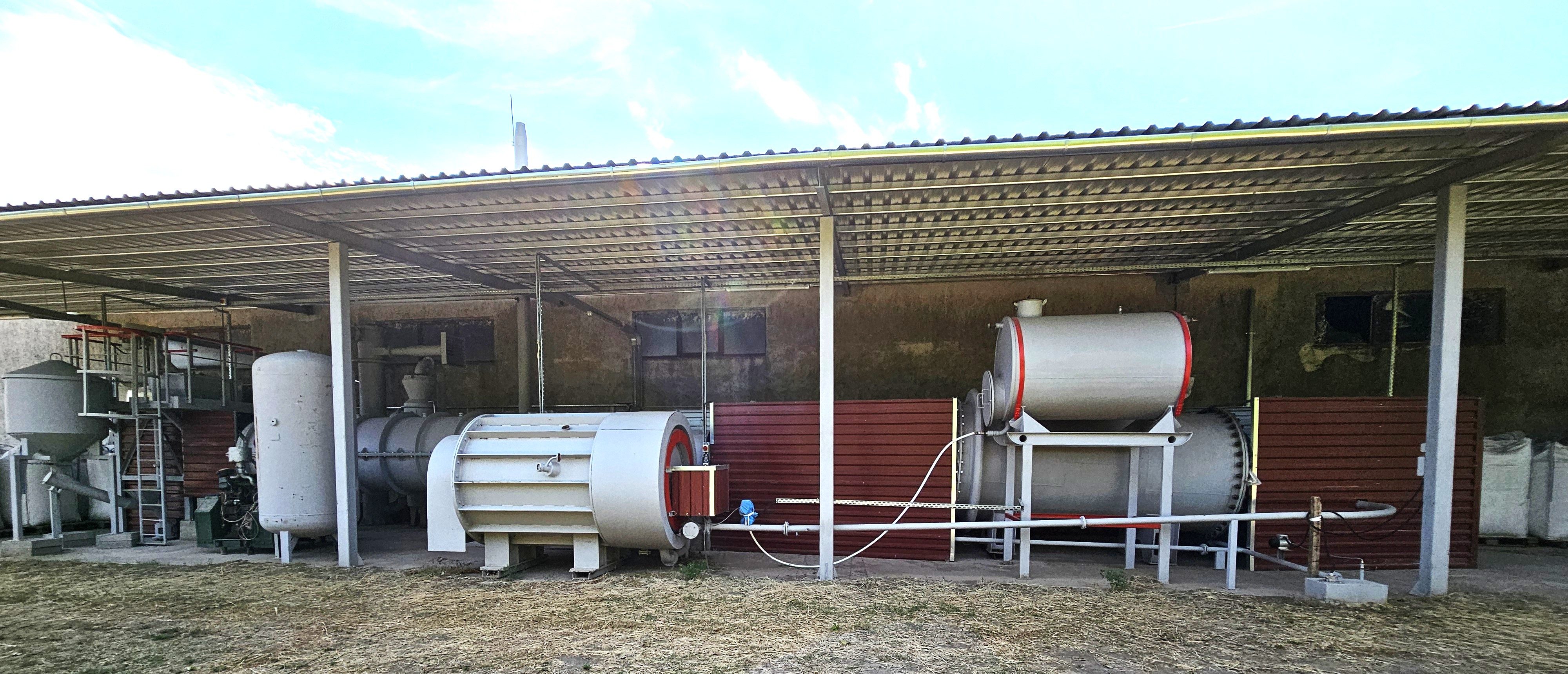
Researchers are developing biotechnologically formulated ABC-Compochar from food processing residues, including:
- Animal bone meal & rendered animal by-products
- Acidic whey (a dairy processing by-product) is used for microbiological inoculants
This initiative showcases how waste-derived bio-based inputs can improve soil health, support sustainable agriculture, and contribute to a circular economy.
Watch the innovation in action on YouTube: Hungarian Living Lab
Slovenia
The Slovenian Living Lab, situated in the Istria region, brings together researchers, local industry, farmers, and stakeholders to transform food processing residues into valuable soil improvers, aiming to close the loop from waste to fertile soil.
Focus of the Living Lab:
- Olive oil residues
- Mixed food waste anaerobic digestate from biogas plants
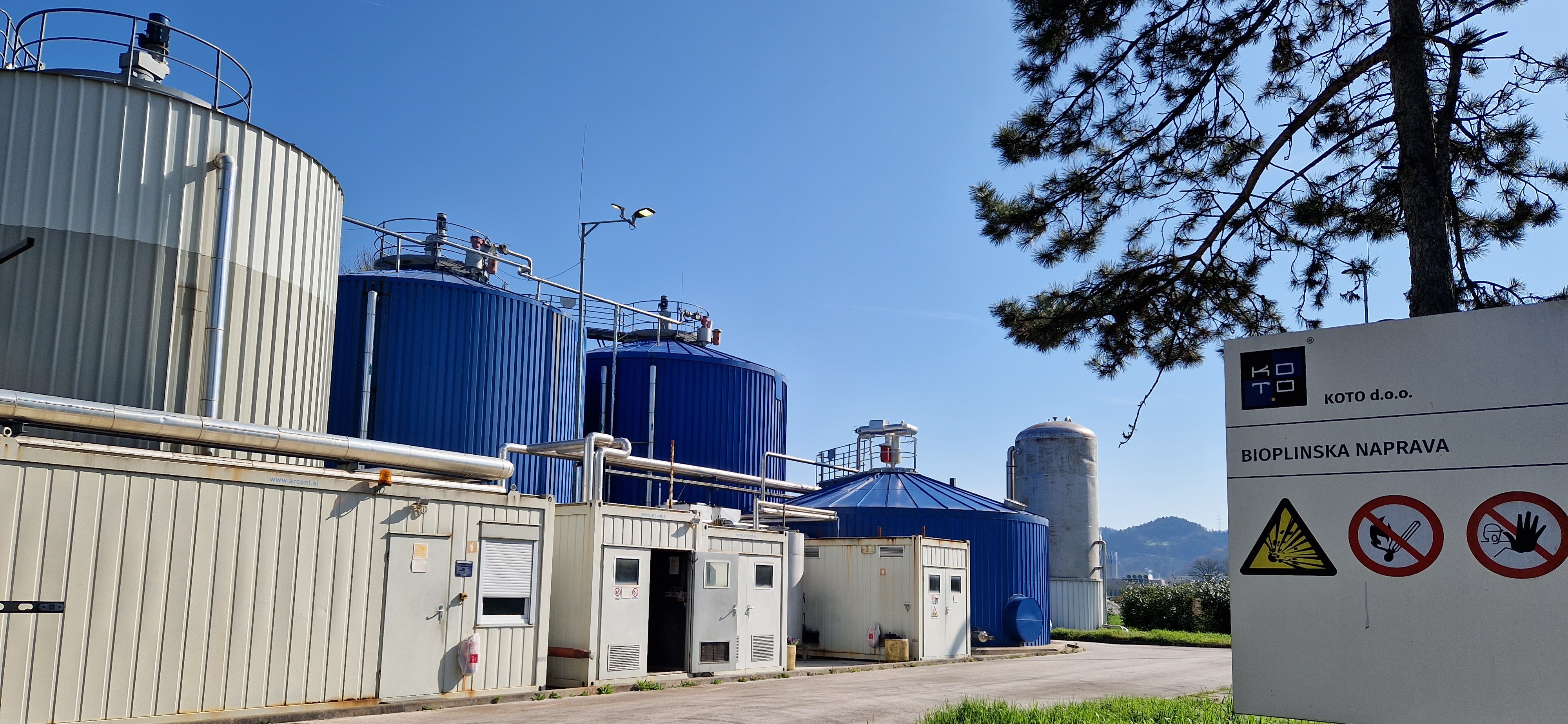
Thanks to the collaboration between the University of Ljubljana, Science and Research Centre Koper, and KOTO, innovative soil improvers are being developed from olive pomace and food waste digestate.
Field trials have tested these products on a variety of crops:
- Tomatoes
- Potatoes
- Cabbages
- Lettuce
- Olive trees
Results demonstrate improved soil structure and promising plant growth, highlighting the potential of circular, waste-derived solutions for sustainable agriculture.
This Living Lab is a great example of how science, industry, and community can work together to turn waste into valuable resources.
To know more? Watch the innovation in action on YouTube: Slovenia Living Lab
Know more about Waste4Soil
- www.waste4soil.eu
- Subscribe to the newsletter
-
X : @Waste4Soil
-
LinkedIn : Waste4Soil Project
- Access all AREFLH articles on the project

This project receives funding from the European Union’s Horizon Europe Research and Innovation Programme under Grant Agreement Nr. 101112708.